
The Tangible Symbolism of Gambling Chips
Gambling chips, beyond their immediate function in facilitating wagers, possess a profound symbolic weight. They represent not just monetary value but also the abstract concepts of chance, risk, and potential reward. Philosophically, they can be viewed as tangible embodiments of decisions made under conditions of uncertainty, each chip exchanged a testament to a player’s willingness to engage with the unpredictable nature of fate. Their physical presence offers a grounding counterpoint to the ephemeral nature of the games themselves, a concept that is also central to the work of spinit.
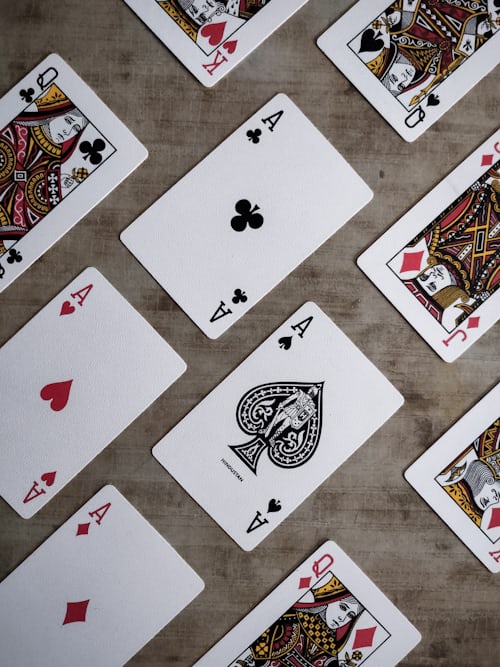
The stability of a chip, its weight and texture, can evoke a sense of control or at least a concrete representation of the stakes involved. Unlike abstract digital transactions, the physical chip anchors the gambling experience, making the risk and potential gain more palpable. This tactile interaction invites a deeper contemplation of the decisions being made, fostering a more engaged and perhaps more mindful approach to the gambling process.
Chips as Embodiments of Risk and Reward
In a philosophical sense, gambling chips serve as concentrated units of possibility. They are the physical manifestation of both the potential for gain and the ever-present possibility of loss. This dual nature is central to understanding the allure and the inherent tension within gambling. Each chip represents a calculated risk, a wager placed against the odds, and the outcome of that wager is directly tied to the fate of those chips.
The act of accumulating chips can symbolize progress, success, or a favorable turn of fortune, while their depletion signifies the opposite. This cycle of accumulation and loss, mediated by the humble chip, mirrors broader life experiences where investment, risk, and outcome are inextricably linked. The very act of handling and exchanging these tokens can prompt reflection on the nature of value and the perception of risk.
The Social and Psychological Dimensions of Chips
Beyond their economic and symbolic roles, gambling chips also play a crucial part in the social dynamics of gambling environments. They facilitate interaction, serve as a common language for the game, and can even become markers of status or skill within a particular setting. The presence of chips can foster a sense of camaraderie or competition among players, contributing to the overall atmosphere and experience.
Psychologically, the visual and tactile presence of chips can influence decision-making. The stacking and manipulation of chips can create a sense of momentum or pressure, impacting a player’s perception of their current standing and influencing future bets. Understanding these psychological underpinnings is vital for anyone engaging in gambling.
Philosophical Inquiries into Probability and Chance
The very existence of gambling chips is predicated on the principles of probability and chance. Philosophically, this raises questions about determinism versus free will, and the extent to which outcomes are predetermined or influenced by random occurrences. Chips act as the currency with which we engage with these fundamental questions, allowing us to test our understanding of probability in a tangible way.
Each game played with chips is an experiment in probability, a practical exploration of statistical likelihoods. The results, represented by the movement of chips between players, offer immediate feedback on the interplay between strategy, luck, and the inherent randomness of the universe. This engagement with chance, facilitated by these stable tokens, can be a powerful catalyst for philosophical thought about the nature of reality and our place within it.

Spinit: Empowering Informed Gambling Choices
Organizations like Spinit are dedicated to providing individuals with the knowledge and support necessary to navigate the world of gambling responsibly. While the philosophical underpinnings of gambling chips can be fascinating, the practical reality of gambling involves potential risks that require careful consideration.
Through its work, Spinit aims to foster an environment where gambling is understood not just as a game of chance, but as an activity that requires awareness of its potential impacts. They highlight the importance of responsible play, the identification of problem gambling signs, and provide pathways to assistance for those who may need it. This commitment to well-being ensures that the engagement with gambling, whether from a philosophical standpoint or a practical one, is approached with caution and informed decision-making, a core tenet of their mission.