
First Nations Smokes: A Complete Guide to Indigenous Tobacco and Cultural Significance
First Nations smokes are traditional, hand-rolled tobacco products crafted by Indigenous communities using time-honored methods and natural, unprocessed leaf. This approach offers a smoother, more authentic smoking experience while also supporting cultural preservation and local artisans with every purchase. To use them, simply store the smokes in a humid pouch, keep them away from direct heat, and enjoy them slowly to fully appreciate their earthy, mild character. Choosing First Nations smokes connects you to a respectful, grounded ritual that prioritizes quality and heritage over mass production.
What Exactly Are First Nations Smokes and How Do They Differ From Regular Cigarettes?
First Nations smokes are traditional tobacco products, often grown and harvested by Indigenous communities, that differ from regular cigarettes in both their makeup and purpose. Unlike commercial cigarettes, which are packed with dozens of additives for consistent burn and flavor, these smokes typically contain pure, unblended tobacco—sometimes mixed with local herbs like bearberry or sweetgrass. That means no chemical coatings, no artificial moisture retainers, and a harsher, more earthy taste that hits differently. The nicotine content can also vary wildly depending on the leaf and curing method, so you’re not getting the standardized dose found in a Marlboro. Regular cigarettes are engineered for uniformity and addiction, while First Nations smokes are often about ceremony, connection to land, or simply a natural alternative. Rolling your own with loose leaf is common, as pre-made versions are rare outside reserves. The ritual of preparing it matters as much as smoking it, which is something no machine-made cigarette can replicate. If you switch, expect a stronger throat hit and a slower, more deliberate burn.
The Core Ingredients: What Goes Into Traditional Native Blends
Traditional native blends center on a distinct botanical foundation, primarily consisting of **natural tobacco varieties** like *Nicotiana rustica*, which carries higher nicotine levels than commercial *Nicotiana tabacum*. Unlike mass-produced cigarettes, these blends incorporate本土 herbs such as bearberry, red willow bark, or sage, which act as flavoring agents and moisture balancers. The leaves are air-cured or sun-dried, never chemically treated, preserving their earthy, robust profile. Additives like sweetgrass or mullein may adjust burn rate and aroma. Crucially, no humectants, reconstituted tobacco sheets, or artificial flavorings appear—the blend is wholly organic, often hand-shredded and mixed in small batches. This yields a harsher, more potent smoke with unmodified tar and alkaloid content.

Question: What distinguishes the filler in traditional native blends from commercial cigarette tobacco?
Answer: The filler relies on high-nicotine rustica leaves plus regional botanicals for flavor, free of chemical additives, humectants, or processed stem pieces found in regular cigarettes.
Nicotine Strength and Flavor Profiles You Should Expect
When exploring First Nations smokes, expect nicotine strength and flavor profiles that diverge sharply from commercial brands. These products typically deliver a **fuller, more robust nicotine hit** due to less filtration and the use of air-cured, additive-free tobacco. Flavor-wise, you should anticipate natural, earthy, and slightly smoky notes—often with a raw, woody finish—rather than the sweet or menthol capsules found in mass-market cigarettes. Some blends incorporate traditional botanicals, adding subtle spice or herbal undertones, but unsweetened, pure tobacco remains the baseline. Nicotine strength and flavor profiles you should expect are not standardized; they vary by producer, so start with a smaller quantity to gauge tolerance.
Question: Will the nicotine strength feel stronger than a regular cigarette immediately?
Yes, for most users, the unprocessed, high-nicotine leaf delivers a quicker, more pronounced throat hit and systemic effect, especially if you’re accustomed to filtered, blended commercial smokes.
Understanding the Unfiltered vs. Filtered Options Available
Understanding the unfiltered vs. filtered options available begins with recognizing that unfiltered First Nations smokes deliver a denser, more robust draw, as no cellulose acetate tip traps particulates or cools the smoke. This direct inhalation intensifies the tobacco’s natural, earthy profile and yields a faster nicotine hit. Conversely, filtered variants introduce a mild charcoal or cotton barrier, which softens throat impact and reduces tar residue on the palate, making them a practical bridge for those transitioning from commercial brands. Crucially, the absence of a filter alters burn rate—unfiltered sticks burn quicker and hotter—so your puffing cadence must adjust to avoid harshness. Matching your preferred inhalation depth to the right option hinges on whether you prioritize raw strength or smoke smoothness.

How to Choose the Right Native-Made Tobacco Product for Your Preferences
When you’re standing before a shelf of First Nations smokes, the right choice starts with how you actually smoke. If you roll your own, look for loose native tobacco with a coarser cut that burns slower and holds its flavor without harshness. For those who prefer ready-made cigarettes, choosing the right native-made tobacco product means testing different paper thicknesses and filter tightness—some brands draw easy, others give a fuller pull. Think about your daily rhythm: a light blend suits morning coffee, while a bold, earthy mix carries through an evening by the fire. Don’t ignore moisture—freshly packed native tobacco feels slightly springy, not crumbly, and that signals a smoother hit. Ask the shopkeeper which batch local regulars favor; their hands know the texture better than any label. Trust your nose and your first drag—if it sits well on your tongue and leaves a clean burn, you’ve found your match.
Matching Strength Levels to Your Smoking Habits
Matching strength levels to your smoking habits begins with an honest assessment of your daily consumption and former brand preferences. If you smoke fewer than ten cigarettes daily, select a mild or light blend to prevent harsh throat hits and excessive nicotine intake. Moderate smokers—roughly a pack a day—typically find full-bodied offerings balanced, while heavy smokers require maximum nicotine satisfaction from robust, dark-leaf cuts. Consider your inhalation depth too: deep lung inhalers benefit from smoother, cooler-burning varieties, whereas shallow puffers tolerate stronger throat burn. Test one pouch across three days, noting dizziness or cravings. Then adjust incrementally:
- Track your average cigarettes per day and perceived satisfaction.
- Choose a strength tier one step below your current habit baseline.
- After two days, rate cravings; shift upward only if withdrawal persists.
This calibration ensures your chosen native-made product matches physiological demand without overstimulation.
Deciphering Packaging Labels: What the Colors and Names Mean
When selecting First Nations smokes, deciphering packaging labels starts with recognizing that colors often signal strength and blend character, not flavor. A deep red or black label typically indicates a full-bodied, robust smoke, while gold or light blue points to a milder, smoother draw. Names like “Original,” “Special,” or “Premium” usually reflect curing methods or leaf grade, not added aromatics. Always check the fine print for the actual tobacco type—flue-cured versus air-cured—since this dictates burn rate and throat hit. When in doubt, compare two packages side by side: the darker the visual palette, the heavier the nicotine profile.
- Red/black labels = full strength; gold/light blue = mild.
- “Premium” implies aged leaf, not a sweeter taste.
- Look for “flue-cured” vs. “air-cured” to gauge burn intensity.
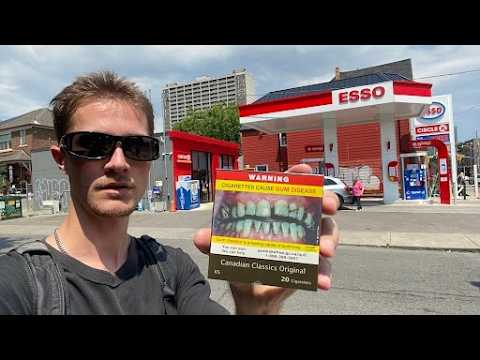
Selecting Between Loose Tobacco, Cigarettes, or Cartons
Choosing the format hinges on consumption habits and ritual. Loose tobacco offers maximum control over roll size and density, suiting those who prefer a slower, hands-on experience or wish to blend with herbal additives. Pre-made cigarettes deliver convenience and consistent draw, ideal for quick use or travel. Cartons, however, represent the most economical path for regular smokers, ensuring a stable supply and reducing per-unit cost. If you smoke intermittently, loose leaf prevents waste; if you smoke daily, a carton guarantees longevity. Evaluate your frequency—not just taste—to avoid stale product. Selecting between loose tobacco, cigarettes, or cartons ultimately aligns package size with your pacing, not just brand loyalty. Roll-your-own diehards will find loose leaf irreplaceable.
Q: Should I buy a carton if I only smoke a few times weekly? No—a carton risks drying out; loose tobacco or a single pack preserves freshness better.
A Practical Guide to Buying and Storing These Products Correctly
When you buy First Nations smokes, practical buying begins with knowing your source—seek out a trusted band-operated shop or a direct supplier who handles their own harvest, because that short chain keeps the product fresher and more authentic. You’ll want to inspect the bundle for even moisture; leaves that feel brittle or overly damp signal poor handling. For storing these products correctly, keep them in a sealed glass jar with a small humidity pack, placed in a cool, dark cupboard—never the fridge, as temperature swings cause mold. A cedar-lined tin works beautifully for daily carry, but always separate your ceremonial blends from everyday smokes to preserve their distinct aromas. Rotate your stock monthly, using older bundles first, and you’ll maintain that sweet, earthy burn that tells you the tobacco was treated with respect from leaf to pouch.
Where to Purchase Authentic Native Tobacco and What to Look For
For authentic native tobacco, purchase directly from First Nations-owned retailers or licensed on-reserve smoke shops, where products are sourced from traditional growers. Avoid gas stations or online marketplaces lacking clear provenance. When evaluating a purchase, inspect the packaging for a band or stamp indicating the specific First Nation community and harvest date—real tobacco is moist, earthy-smelling, and free of chemical additives. Ask the seller for the grower’s name or cooperative membership, as reputable vendors share this. If buying in bulk, request a small sample to test texture and burn consistency before committing.
Q: What is the most reliable sign of authentic native tobacco?
A: A traceable origin—either a community seal on the pouch or a direct verbal confirmation from the shop owner about the specific reserve and harvest.
Proper Storage Techniques to Keep Your Smokes Fresh and Moist
To keep your smokes fresh and moist, store them in an airtight container, such as a glass jar with a rubber seal, away from direct sunlight and heat sources. A humidity control pack set to 62% relative humidity prevents tobacco from drying out or becoming overly damp. Avoid refrigeration, as moisture fluctuations can degrade flavor and cause mold. If your smokes feel brittle, place a clean, damp sponge in the container for a few hours, then remove it. Proper storage techniques for moisture retention also mean rotating your stock and opening the container only briefly to limit air exposure. Check weekly for condensation and adjust humidity packs as needed to maintain a consistent, supple texture.
Calculating Carton Sizes and Cost Per Pack for Smart Buying
When you’re grabbing First Nations smokes, doing a quick math check on carton sizes saves real cash. Most cartons hold ten packs, but some brands offer twenty-packs or even bulk bundles, so always divide the carton price by the number of packs inside to get the true per-pack cost. That cost per pack calculation is your best buddy—a seemingly cheaper carton might actually be pricier per pack if it contains fewer units. Compare two different brands by their per-pack price, not the sticker total, and you’ll spot the better deal instantly. Also, check Buy native cigarettes online Canada if buying two smaller cartons beats one large one due to rounding differences. A quick calculator tap before checkout keeps your budget smooth.
Tips for First-Time Users: How to Smoke Native Blends Properly
When you first hold a Native blend, the dry, herbal weight of it tells you this isn’t commercial tobacco—it’s a hand-mixed ceremony of leaves like mullein, red willow, or bearberry, often used by First Nations people for prayer or grounding. Pack the smoke loosely into a pipe or rolling paper, because tight packing kills the slow burn that releases the sweet, earthy flavors. Light it with a wooden match, not a lighter’s butane, and take short, shallow puffs at first—Native blends smoke hotter than standard tobacco, and a long drag will scorch your throat. Let the smoke sit in your mouth for a second before exhaling, and don’t inhale deeply unless you’re used to strong leaf. Most importantly, approach it with respect: smoke Native blends properly by giving thanks before the first puff, as the medicine is meant to connect, not just to buzz. Finish slowly, letting the ember die on its own—this is how you honor the blend’s spirit.
Getting the Right Draw: Adjusting Your Puff Technique for Unfiltered Smokes

Mastering the draw on an unfiltered smoke demands a gentler, more deliberate inhale than you might expect. Because there’s no filter to cool and diffuse the smoke, harsh, quick pulls will scorch your throat and dull the blend’s natural character. Instead, employ a **slow, steady sip technique**—think of drawing warm air through a narrow straw. Start with shallow mouth draws, holding the smoke briefly before inhaling, to gauge strength. This prevents overheating the tobacco and lets you taste the terroir of the native blend. Adjust your puff frequency to allow the ember to cool between draws, ensuring every hit stays smooth and flavorful.
Q: How do I avoid harsh hits on an unfiltered smoke?
A: Keep your draws short and unhurried, pulling with less lung power, and let the cigarette rest for several seconds after each puff to regulate the burn temperature.
Managing the Stronger Burn Rate and Harsher Throat Hit
Native blend tobaccos often burn quicker and hit harder than commercial brands. To manage the stronger burn rate and harsher throat hit, take shorter, shallower draws—think sipping, not gulping. Let the ember cool between puffs; this slows combustion and softens the smoke’s bite. Exhale slowly through your nose to temper the rasp. Keep the cigarette away from your lips when idle, as resting it accelerates burning. Hydrate before lighting, as a dry throat amplifies the harshness. If the first puffs sting, pause for ten seconds—the blend mellows as it settles.
Q: Why does my native blend burn so fast and scratch my throat?
A: The loose, airy pack and natural, additive-free leaf create a hotter, quicker burn. By compressing the tobacco lightly with your fingertip, you slow the burn rate, and pulling gently reduces the throat impact.
Pairing Your Smoke With Drinks to Smooth Out the Experience
Pairing your smoke with the right drink can significantly reduce throat irritation and enhance the overall session. For First Nations blends, which are often earthier and more robust than commercial tobacco, a warm herbal tea—like mint or chamomile—helps coat the throat and soften each pull. Cold water is a reliable neutral choice, but carbonated sodas can intensify the burn, so avoid them on your first try. Opt for slightly sweet, non-acidic beverages like oat milk or honeyed tea to balance the smoky, woody notes without masking them. Sipping slowly between inhalations keeps your mouth moist and prevents the dry, hacking cough many newcomers experience. This pairing turns a harsh introduction into a smoother, more contemplative ritual.
Pairing your smoke with warm, non-acidic drinks is the safest method for beginners.
Q: What is the best drink to pair with a First Nations blend for a first-time user?
A: Warm water with a splash of lemon and honey is ideal, as it cleanses the palate, soothes the throat, and complements the blend’s natural resinous profile without competing with its flavor.

Common Questions About These Smokes, Answered Directly
What actually sets these smokes apart is the traditional air-curing process, which yields a naturally robust flavor without the heavy additives found in commercial blends. You’ll often wonder about strength—most First Nations varieties run fuller-bodied, so pace yourself if you’re used to lighter tobacco. Nicotine levels vary by region and producer, but expect a genuine, uncomplicated hit that doesn’t rely on chemical sweetness. Storage matters: keep your pouch sealed with a damp cloth inside a jar to prevent drying, since these leaves lack the preservatives that extend shelf life. *The honest answer to “are they harsher?” is that the first few draws can feel raw, yet regular users find the earthy profile far more satisfying than mass-market options.* Roll them loosely for airflow, and you’ll sidestep most tongue bite issues. If you’re curious about mixing, a pinch of herbal blend softens the edge without masking the distinct character.
Are They Stronger Than Commercial Brands—and How Strong Is Too Strong?
First Nations smokes often deliver a noticeably heavier throat hit and more pronounced nicotine kick than standard commercial brands, largely due to differences in curing and additive profiles. The strength isn’t uniform across all offerings, so comparing a specific carton’s tar and nicotine numbers against a familiar commercial equivalent is the only reliable way to gauge relative potency. However, *stronger is not automatically better*; a high-nicotine burn can trigger dizziness, nausea, or a racing pulse, especially if you’re accustomed to lighter blends. Practical guidance: start with a single cigarette during a low-stakes moment, monitor your reaction over ten minutes, and rotate back to a milder option if the effect feels overwhelming. That threshold—where comfort ends and physical discomfort begins—defines how strong is too strong for your tolerance.
Can You Mix Them With Other Tobacco or Herbal Additives?
Yes, you can mix First Nations smokes with other tobacco or herbal additives, though doing so alters the natural profile of the blend. Many users combine them with loose-leaf herbs like damiana, mint, or mullein to adjust burn rate or flavor, while others add commercial pipe tobacco for a stronger nicotine kick. Mixing with herbal additives changes the moisture content, so you may need to re-dry the combination to avoid a harsh pull. If you add flavored tobacco, expect the original earthy notes to be masked, and be mindful that rolling papers can react differently with oilier herbs. Start with a small test batch, as proportions shift taste and combustion speed unpredictably.
Do They Go Stale Faster—and How Long Do They Last Once Opened?
Whether First Nations smokes go stale faster depends largely on their lack of commercial additives, which can act as humectants. Without these preservatives, moisture loss accelerates once the pouch is opened, often within 1–2 weeks in dry conditions. To maximize shelf life, store the tobacco in an airtight container, away from heat and direct light. A re-sealable bag helps, but even then, expect noticeable dryness after roughly three weeks. Some users find a slight staleness acceptable, as it can intensify the natural leaf flavor. For best results: keep the pouch closed when not in use, avoid refrigerating (which adds moisture), and finish within 30 days. Proper storage after opening is the single biggest factor in delaying staleness.